Do you repair AEG heat-pump dryers in Sevenoaks?
Suitable heat-pump dryer faults can be assessed subject to the exact model, fault, access, route and parts availability.
Independent AEG tumble dryer repairs in Sevenoaks and nearby towns for heat-pump, condenser, vented and integrated dryers. Search the fault, check the local map, then move straight to AI, SI or online booking.
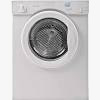
Dryer type changes the diagnostic route. A vented dryer depends on exhaust airflow, a condenser dryer manages water internally, and a heat-pump dryer uses a lower-temperature recirculating system.
Local coverage is centred on Sevenoaks and nearby TN districts. Select an area to focus the map. Final attendance depends on the full postcode, appliance, fault and engineer route.
Sevenoaks, Riverhead, Dunton Green, Otford, Sundridge, Kemsing, Seal and Westerham.
Map: Sevenoaks, UK
Search by symptom. These are possible diagnostic areas and safe first checks, not a remote confirmation of the failed component.
Possible fault areas: Mains supply, door switch, internal power path, wiring, user interface or control electronics.
Safe first checks: Check the socket safely and confirm the door closes normally. Do not remove covers.
Possible fault areas: Door switch, programme selection, control lock, start button, wiring or control.
Safe first checks: Check the door, programme and any control lock.
Possible fault areas: Drive belt, motor, motor capacitor where fitted, drum support or control.
Safe first checks: Stop if there is a burning smell and note whether the motor can be heard.
Possible fault areas: Drive system, motor, capacitor where fitted, load, drum support or control.
Safe first checks: Try a smaller load and note whether the speed changes.
Possible fault areas: Heating element or heat-pump system, thermostat/sensor, airflow, relay/control or wiring.
Safe first checks: Clean user-accessible filters and note whether the drum turns normally.
Possible fault areas: Heater/heat-pump system, temperature sensing, airflow or control.
Safe first checks: Check filters first; internal testing is required to confirm the cause.
Possible fault areas: Airflow restriction, load size, moisture sensing, condenser path or heat-pump performance.
Safe first checks: Clean filters and condenser areas only as described in the user manual.
Possible fault areas: Overloading, blocked airflow, filters, condenser/heat exchanger, sensor or heating system.
Safe first checks: Try the recommended load and clean user-accessible filters.
Possible fault areas: Moisture sensor, overheating protection, airflow, load, programme or control.
Safe first checks: Try a timed programme and note whether the machine stops at the same stage.
Possible fault areas: Airflow blockage, sensor/thermostat, fan, heater control or load issue.
Safe first checks: Stop using if the cabinet becomes abnormally hot or there is a burning smell.
Possible fault areas: Heater leakage, motor, compressor on heat-pump models, wiring, moisture ingress or control.
Safe first checks: Stop using and do not repeatedly reset the electrical supply.
Possible fault areas: Overheated lint, belt, motor, wiring, heater or another component.
Safe first checks: Stop using immediately and isolate the appliance safely.
Possible fault areas: Electrical fault, overheating component, wiring or lint ignition risk.
Safe first checks: Stop using immediately, isolate power if safe and do not retry.
Possible fault areas: Drum rollers/support, motor, fan, foreign object, belt or bearing.
Safe first checks: Stop if the noise is severe, metallic or accompanied by burning.
Possible fault areas: Drum support, motor/fan, foreign object or worn mechanical component.
Safe first checks: Stop for severe metal-on-metal noise.
Possible fault areas: Belt, motor, drum support, pulley or bearing.
Safe first checks: Note whether the noise changes as the drum speed changes.
Possible fault areas: Drum support, roller/bearing, motor or load issue.
Safe first checks: Try an empty drum briefly only if there is no burning, smoke or scraping.
Possible fault areas: Load distribution, installation, drum support, cabinet or motor.
Safe first checks: Check the appliance is level and the load is suitable.
Possible fault areas: Door catch, hinge, seal, alignment or obstruction.
Safe first checks: Check for trapped laundry and visible damage; do not force the door.
Possible fault areas: Latch, hinge, alignment or door-switch issue.
Safe first checks: Stop using until the door system is inspected.
Possible fault areas: Control lock, user interface, power issue, wiring or main control.
Safe first checks: Check the control lock and normal reset procedure in the manual.
Possible fault areas: User interface, moisture, connection or control electronics.
Safe first checks: Record which buttons fail and whether the fault changes after cooling.
Possible fault areas: Model-specific sensor, airflow, heater, motor, pump, compressor or control fault.
Safe first checks: Photograph the exact code and rating plate; meanings can vary by model.
Possible fault areas: Moisture sensing, heating, airflow, motor, drain/pump on condenser types or control.
Safe first checks: Record the programme and time remaining when it stalls.
Possible fault areas: Moisture sensor, load size, programme choice, sensor contamination or control.
Safe first checks: Try a suitable timed programme and correct load.
Possible fault areas: Tank switch/sensor, pump, hose, condensate path or control.
Safe first checks: Empty and refit the tank; clean user-accessible filters.
Possible fault areas: Condensate pump, hose/path, sensor or drainage arrangement.
Safe first checks: Check whether the model is connected to a direct drain.
Possible fault areas: Condensate path, pump, hose, tank seal, heat exchanger or internal connection.
Safe first checks: Stop if water is near electrical parts.
Possible fault areas: Heating, airflow, condenser path, pump or hose issue.
Safe first checks: Clean the condenser/heat exchanger only if the manual says it is user accessible.
Possible fault areas: Heat-pump circuit, compressor, sensors, airflow, fan or control.
Safe first checks: Heat-pump dryers run cooler than conventional dryers; compare with normal model behaviour.
Possible fault areas: Filters, heat exchanger, airflow, sensor, compressor/system performance or load.
Safe first checks: Clean all user-accessible filters and use the recommended load.
Possible fault areas: Vent hose restriction, external grille, lint build-up, fan or installation.
Safe first checks: Check the visible vent hose and external outlet for obstruction.
Possible fault areas: Restricted exhaust airflow, loading, heater cycling or fan issue.
Safe first checks: Check the vent path and lint filter.
Possible fault areas: Filter, condenser/heat exchanger, sensor or airflow restriction.
Safe first checks: Clean only the parts identified as user-serviceable.
Possible fault areas: Filter seating, sensor/airflow path or control.
Safe first checks: Clean and refit the filter carefully.
Possible fault areas: Overdrying, load size, programme selection or delayed unloading.
Safe first checks: Use an appropriate programme and remove clothes promptly.
Possible fault areas: Temperature sensing, airflow, programme or heater control.
Safe first checks: Stop if overheating is severe.
Possible fault areas: Lint residue, dampness, overheating, stagnant condensate or airflow contamination.
Safe first checks: Clean user-accessible filters and condensate areas and stop for burning smells.
Possible fault areas: Lamp/LED, door switch, wiring or control depending on model.
Safe first checks: This may be separate from the drying fault; record other symptoms too.
Possible fault areas: Furniture-door alignment, hinge, catch or installation/access issue.
Safe first checks: Do not force the cabinet door; note rubbing or misalignment.
Search by postcode prefix or town. White-goods coverage excludes Cornwall, Devon and Dorset and does not include OX or SN routes. Final availability is confirmed by full postcode, appliance and job type.
Suitable heat-pump dryer faults can be assessed subject to the exact model, fault, access, route and parts availability.
Yes, suitable condenser tumble dryer faults can be assessed, including water handling, heating, airflow and sensing issues.
Visible vent restrictions, filters, airflow, fan, heater and temperature controls are common diagnostic areas.
Stop using it if there is a burning smell, smoke, severe overheating or repeated electrical tripping.
Engineer visits are scheduled Monday to Thursday, subject to route and booking availability.
Yes. Use the Book Online button on this page to submit a service request securely.
Additional services can be discussed where relevant to the job and route.
Engineer visits are scheduled Monday to Thursday. Concentrating our field routes into four organised service days helps us plan travel efficiently and offer clear appointment windows, while maintaining the dependable service expected from a family business established in 1984.
Visit windows: Morning 8:00–10:30 · Extended Morning 8:00–13:30 · Afternoon 12:00–16:00 · All Day 8:00–16:00. Subject to route and booking availability.